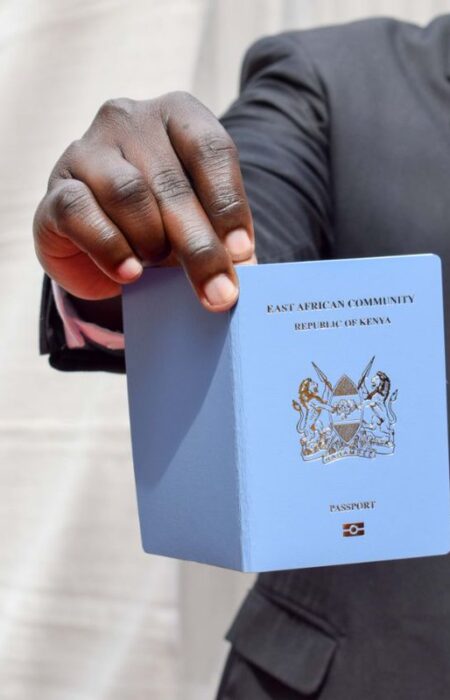








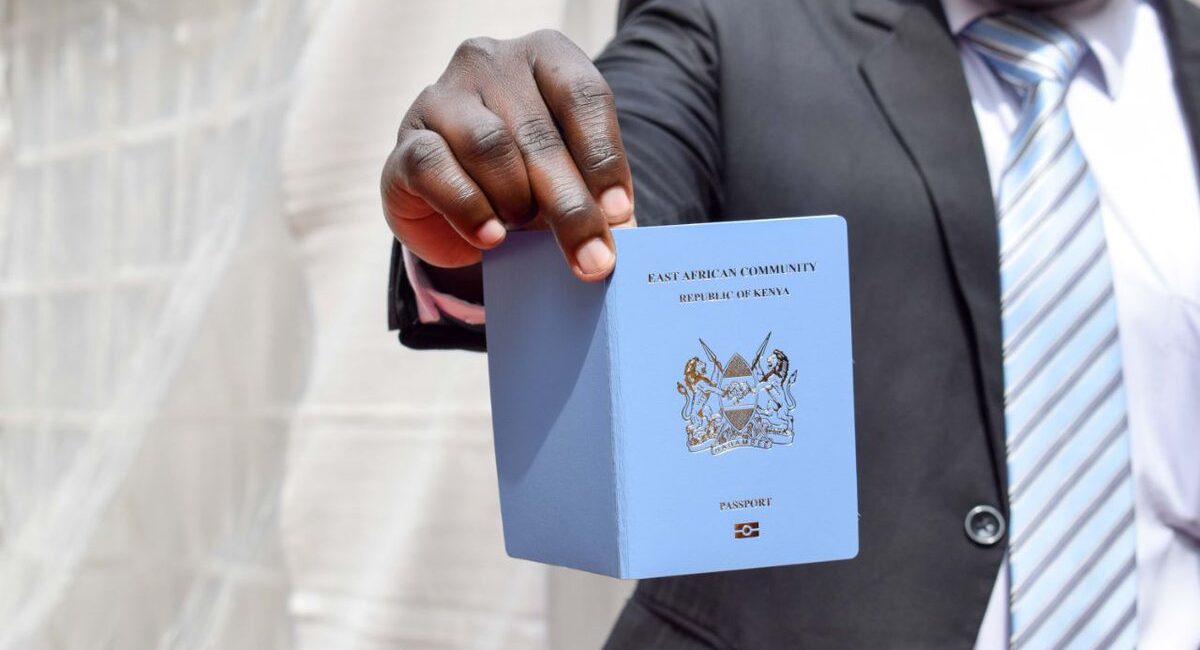
In a major policy shift, the United Kingdom has permanently closed its care worker visa route, delivering a significant blow to Kenyan workers who had benefitted from a 2021 bilateral labour agreement. The announcement came on Monday, May 12, 2025, from Prime Minister Keir Starmer, who pledged to “take back control” of the country’s borders.
🛑 End of the UK-Kenya Care Worker Agreement
Kenya’s landmark Labour Mobility Agreement with the UK, signed in November 2021, had opened doors for thousands of Kenyan care workers to access jobs in British care homes and health institutions. However, this pathway has now been closed permanently.
“We are permanently shutting down the care visa route. Care workers from overseas have made a huge contribution, but too many have been subject to abuse and exploitation,” – PM Keir Starmer
This decision not only affects Kenya but also several other nations that have relied on the UK’s care sector as a key source of employment for skilled and semi-skilled labour.
📋 Key Reforms Announced by the UK Government
In addition to ending care worker visas, PM Starmer announced a comprehensive immigration reform package, aimed at prioritising British workers and reducing net migration:
🔤 Higher English Proficiency Requirements
- All main immigration routes will now require higher English language proficiency.
- Adult dependents of foreign workers must now also meet basic English standards, a first in UK immigration history.
🎓 Increased Skills Threshold
- Diploma-level and lower qualifications will no longer meet the eligibility criteria.
- All work-based migrants must now hold degree-level qualifications, significantly narrowing eligibility.
⏳ Longer Residency Requirements for Citizenship
- The residency requirement for settlement and naturalisation will increase from 5 to 10 years, unless applicants make significant economic contributions.
“Settlement in the UK is a privilege, not a right,” – PM Keir Starmer
💰 Higher Immigration Skills Charges
- UK employers hiring foreign workers will now face increased Skills Charges, to discourage dependence on migrant labour and encourage local recruitment.
🆔 Digital IDs and eVisas
- The UK will roll out Digital IDs and eVisas for all overseas citizens to enhance border enforcement and reduce illegal overstays.
🇰🇪 What This Means for Kenya
The visa shutdown is a major setback for Kenya’s healthcare export ambitions. Since 2021, the Kenya-UK agreement had been seen as a win-win: the UK filled critical gaps in its care sector, while Kenya tackled youth unemployment and underemployment of skilled health workers.
For now, the end of this pathway leaves thousands of aspiring Kenyan caregivers in limbo, with career plans disrupted and uncertainty about alternatives.
🔍 The Bigger Picture: UK’s Immigration Reset
PM Starmer’s announcement signals a new era of restrictionist immigration policy, aimed at curbing what he described as Britain’s “open borders experiment.” The move has been criticised by some human rights advocates and labour mobility advocates as isolationist and harmful to developing economies.
However, Starmer defended the reforms as necessary to restore fairness, reduce exploitation, and empower British workers.
“Lower net migration. Higher skills. Backing British workers. This is our Plan for Change,” he concluded.
💬 What Next for Kenyan Workers?
The Kenyan government has yet to issue a formal response. However, policy analysts suggest that new bilateral labour partnerships with other nations—like Germany, Canada, and Australia—could be accelerated to fill the gap left by the UK withdrawal.
Leaf Media House will continue monitoring this story and its impact on Kenyan professionals, labour migration trends, and international relations.
Are you a Kenyan health worker affected by this policy change? Share your experience or concerns in the comments below.